From a communications point of view, concealing one’s identity is usually a breach of faith. But now anonymous comments are consumed as a form of entertainment, as if the collective id of a society has broken free of its constraints.
Like many children in the 50s, I thought it was a great stunt to sneak up on a neighbor’s house, ring the doorbell, and then go hide in the nearby bushes. Serious crime it wasn’t. But it did inadvertently remind my younger self of the not-very-useful-lesson that sometimes we don’t have to take ownership of our actions.
It’s never good when we can abuse the trust of others without paying a price. In our times we find the adult equivalent of hiding in the bushes every time we scan internet sites for the often dubious comments that follow. Many regretfully permit anonymous comments: Slate.com, and the Washingtonpost.com, to name two. To their credit, others such as Huffingtonpost.com and Facebook do not. We invite trouble when a person is free to weigh in on almost any topic without claiming their own name as the marker of a basic social responsibility. Hashtags representing various avatars allow us to escape the moral consequences of owning our comments, depriving the human recipients of our criticism the right to know who we are. Is it any wonder that many reactions to online stories are ill-considered, inflated and mean-spirited? Some swirl in virtual cesspools of rhetorical maliciousness.
Character assassination by proxy is never pretty, and can’t help but make us a coarser culture.
From a communications point of view, concealing one’s own identity used to be considered a fundamental breach of faith. This is the dark stuff that arises from whisper campaigns, witch-hunts, and those awful unattributed pamphlets alleging communist treason that ruined the careers of so many artists in the 40s and 50s. Character assassination by proxy is never pretty, and can’t help but make us a coarser culture.
I’ve written before about these writers who exist on the wrong side of the borders of civil discourse, most recently just after the bomb attack at the 2013 Boston Marathon. The complaints are still valid:
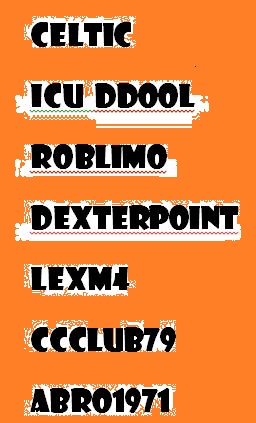
Typical are the monikers used by individuals who responded to a Slate.com story about the recent Boston bomb attacks. Slate was careful and responsible in its reporting. But as with most news sites, the individuals who signed on to make comments concealed their identities. Readers heard from “Celtic,” “ICU,” “ddool,” “roblimo,” “Dexterpoint,” “Lexm4,” and others. “Celtic,” for example, noted that the suspects were “Muslims,” expressing mock surprise that any of them would produce “terrorist actions.” “Dexterpoint” decried “lefties” who he imagined to be anxious to confirm that the terrorists were not Muslims.
At its worst, this is the territory of the unqualified conclusion and the fantasized conspiracy: often a stream-of-consciousness unburdening of personal demons unchecked by the kind of self-monitoring individuals usually apply in the presence of others. Turned outward, this reactive rhetoric is often a jumble of histrionics from persons who seem to want a stage and an audience, but lack the mettle to do more than offer taunts from behind the curtain.
Aristotle observed that an individual’s character is perhaps their most valuable asset. He subscribed to the conventional view that you reach others best when you offer an olive branch and the assurance of your good name. Instead, the oppositional language of denigration fills a simpler expressive need. What was once the art of public comment on national and community issues now seems more like an unintended registry of disempowerment. It’s easy to account for the attractions of screeds posted with abandon and without interest in preserving even the remnants of a civil self. But if there are pleasures in delivering anonymous and wounding responses, they make a mockery of the familiar cant that the “internet wants to be free.”
The functions of criticism and accusation come with the duty to be fully present. To engage in these forms without disclosing our identity amounts to a kind of moral crime.
Comments: Woodward@tcnj.edu
