
Our consumer culture focused on marketing comes with a shift in our attention toward the presentational image, and away from thoughtful character assessment.

We may be entering a time when it makes more sense to chronicle what has been lost rather than gained. This seems to be the case in the slow but persistent decline in the assessment of personal character and the concurrent rise in the culture’s devotion to celebrity. These features are of a somewhat different nature, but there are benefits to pairing them.
Traits of good character haven’t changed much. The values of honesty, integrity and empathy will not disappear. But they are not on the surface of the culture in our era of communication through imagery. In the case of our culture of celebrity, it is now so tangible it can overwhelm us, making the display of aspirational success a feature of everyday life. In simple terms, integrity as a value has been obscured by the quest for notoriety.
Our media has shifted to being more about the presentation than description, more about recognition than sustained and unpublicized accomplishment. We want images that display “success” rather than discursive content that invites assessment. The difference is evident in the awareness and acknowledgement of the basic decency one friend over the invitation for envy in the self-display another sends in the form of an image in an online post. The first is more genuine and cerebral; the second carries characteristics of display that moves it closer to becoming a “brand.” These pathways are different, but the second is now a dominant narrative of validation tied to the American lexicon of marketing. What “looks good” can be better than being good.

By definition, a celebrity is someone who is known for being well known, even when the achievements of that person may be quite modest. The next step in this chain of public recognition is endowing a person with a public persona that can be branded, meaning widely recognized and probably monetized. Advertising frequently seeks to personalize things, turning anything from sunglasses to coffee machines into signifiers attached to a person to be emulated. In short, products are often sold as celebrity stand-ins. We see signature shoes, and athletic gear in the context of endorsements. A person “known for” their curated persona creates their own force field of attention. Branding depends on this tenuous association factor, attracting scores of emulators. Niccolò Machiavelli’s famous observation about the nature of a public self could be the mantra of a self-publicist: “Everyone sees what you seem to be, few know what you really are; and those few do not dare take a stand against the general opinion.” If nothing else, Donald Trump has nurtured a brand based on obvious memes of wealth and business acumen. Indeed, a person could fill a Dollar Store with his overpriced merch offering ersatz symbols of affluence: shoes, perfume, ties, steaks, lapel pins, bibles, etc. etc. They are enough to capture voters who want to demonstrate their allegiance by owning some of “his” totems of ersatz prestige. With more effort, a reader with a livelier mind can also discover his habit of stiffing contractors, off-loading debt and declaring bankruptcies in his casino businesses. But this record is obviously not part of the brand that he has successfully promoted to the public.

The more one consumes impressions through the branding mechanisms of the marketplace, less attention is will be paid to character.
Here is the challenge our culture faces. Too often our distractions leave us with only enough time to carry away impressions rather than deeper understandings. What has changed over the generations is the ascendance of the imagery of marketing as a tool for shifting our attention away from personal merit and, with it, creating less space to exercise the language and critical applications of character assessment. A preoccupation with cultural products attached to public figures leaves diminished energy for the work of judging others on their authentic achievements.
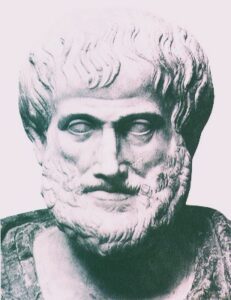
Classically, the guiding principle for assessing a person’s value to society was in understanding these clearly roadsigned merits. What useful talents do they possess that furthers opportunities of others? How well can they distinguish between what is best for many rather than just oneself? Do they know what excellence looks like? Is there a solid moral core that shapes their efforts to achieve it? Do they have a level of judgment we would want for our own children? These are the kinds of foundational questions thought leaders like Plato and Aristotle, or John Locke and Thomas Jefferson pondered. All would have been comfortable assessing a person’s character in terms of their evident knowledge, generosity to others, and what we know today as “social intelligence.” Their understandings of human potential were far more subtle than our culture-wide retreat towards self-interested promotion.
In our current culture of appearances we have left most of these kinds of questions on the table, replacing them with impressions built more on recognition than merit. Branding mechanisms of the marketplace may conceal who is truly a figure worthy of emulation.


 Little wonder that noise is the most common complaint about eateries of all sorts.
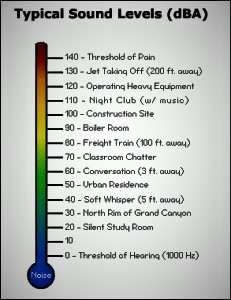 This is not just a big city problem. Eateries in my small-town generally have the same issue. More tables potentially increases the take for an establishment on a good night, not to mention that diners almost on top of each other get the incidental chance to try out a neighboring meal.