Television’s Shark Tank is less like being in the presence of really smart people than being the new kid at a tough junior high.
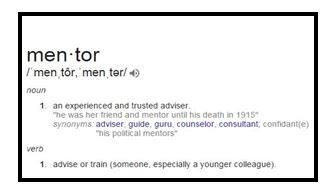
I’m struck with the apparent popularity of CNBC’s hit reality show, Shark Tank. The series features four or five investors who listen to proposals from mostly novice entrepreneurs asking for cash investments in exchange for a share of their new businesses. The product may be some odd form of ice cream, or a redesigned coffee mug that won’t leave a mark on a wood table. In truth, the new ideas that are pitched are less important than the reactions to them from the mostly male “sharks.” Their responses range from respectful doubt to over-the-top scorn. And, of course, its the bullies in shows like these that we tend to remember.
What’s troubling about our fascination for the show is that some of the “sharks” pride themselves on a kind testosterone-driven frankness that borders on cruelty. A few of the investors seem to cherish a style of drill-sergeant tactlessness over more supportive mentoring. And that may not be fair to drill-sergeants. Helping these novices seems less the point than humiliating them.
We can make too much of this as a trend. After all, heightened conflict is the familiar and mostly toxic formula of reality television. But coming from otherwise unremarkable people who’ve made some money by having money, the argot of growing businesses suggests nothing so much as an adult variation on the kind of school-yard bluster that sometimes came from classmates who were both aggressive and scared. Shark Tank is less like being in the presence of really smart people than being the new kid at a tough junior high. I hope it doesn’t represent a cultural trend.
This aggressive style applied to students is illustrated well in Damien Chazelle’s superb Whiplash (2014). Actor J. K. Simmon’s Oscar-winning performance as a faux-perfectionist jazz instructor is a perfect case study of how ruthlessness can turn a mentor into a crippled tyrant. Mentorship withers if it requires abuse of the learner. As the film suggests, the effects are likely to be more destructive than transformative.
Rhetorically, verbal taunts are often spoken to throw a listener off the scent of a phony. This is the use of language as “mystification;” It dares the listener to respond as an equal. Instead of help there is condescension. Instead of questions there are demands. Representative responses to individuals who want to franchise an idea often ring hollow as ostensible signs of true expertise: We know the language: “You’re nothing but dead meat to me,” “You’re not as smart as I thought you were.” “Grow up; you’re playing in the big leagues now.” One of the sharks in particular favors wearing the persona of a brilliant “money man.” He mistakes crassness for wisdom, and he prefers certainty over a true mentor’s acceptance of degrees of interpretation. Worst yet, the information-poor responses from these supposed wise men give off an unmistakable impression of some unjustified self-regard. “I have to tell you, my friend, that this is the worst idea I’ve ever heard. You don’t have a clue about how to set up a business or market a product.” After an evening of statements like this, it’s a surprise the money man’s suits still fit.
Another show on the same network features to restaurateurs who likewise spout clichés that were stale 50 years ago. “You’re an old dog and I’m here to tell you that you can’t learn new tricks.” This, after some predictable snafus in trying to build and open a restaurant in just two days. This can’t really be how we teach business acumen. What is lacking in all of these shows is the kind of compassion any person should expect when seeking help in reorganizing a small business.
All of this bullying is reminiscent of the stale harangues of men who have sublimated their dreams into a single soul-destroying passion to make money. Watching these shows is like sitting through David Mamet’s play Glengarry Glen Ross far too many times. On first viewing there is something bracing about seeing a kind of feral Lord of the Flies survivalism transferred to a modern sales office. But there is finally something disheartening about observing supplicants ridiculed rather than mentored. Perhaps a current trend needs to be reversed. It might be helpful to see fewer business people who have miscast themselves as teachers. They could be replaced by qualified teachers who could humanize the process of helping new entrepreneurs.
Comments: woodward@tcnj.edu
