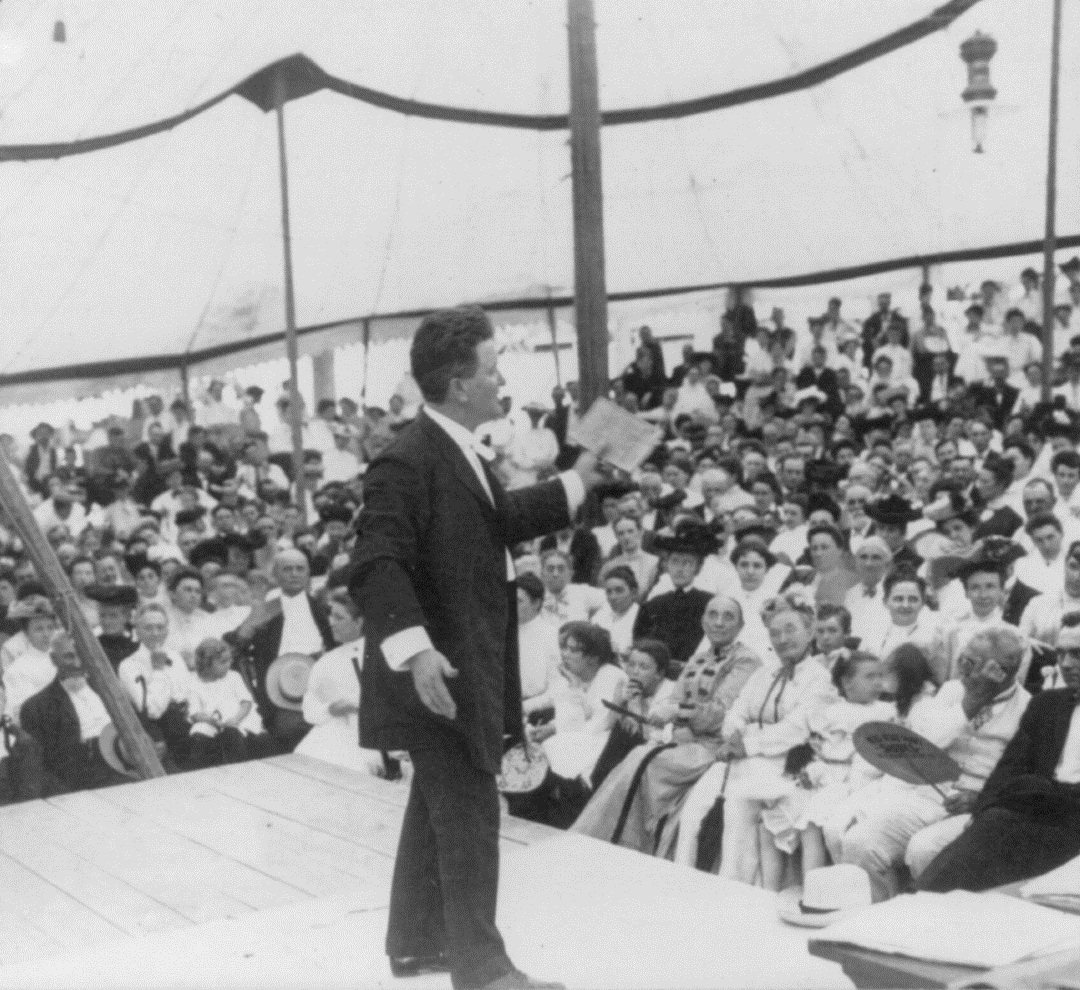
Sometimes there is simply no good alternative to a lecture that inspires discussion of a complicated idea.
These days the lecture as a form of communication doesn’t get much love. The idea of an extended presentation to an audience who should want to know more usually engenders greater enthusiasm in the presenter than the intended recipients. The speaker is almost always in the thrall of their specialty. But these days auditors are easily unfocused and distracted: often ill-prepared to sustain their attention and set aside their electronic umbilicals.
And then there are weak talkers. In our times if a dramatist wants to paint a picture of an old pedant practically dead on his feet, she can do no better than put him in front of a class mumbling on about some disciplinary canon. My favorite is an ancient fossil of a teacher in the film Young Sherlock Holmes (1985) prattling on to his young charges who have more important things on their minds.
Educational styles favored in our times emphasize experiential learning which, roughly translated, means learning by doing. That, along with our visual bias for the presentation of all forms of information (u-tube clips, PowerPoints, iPads and Smart Boards), works against finding satisfaction in the cumulative power of a well-conceived lecture.
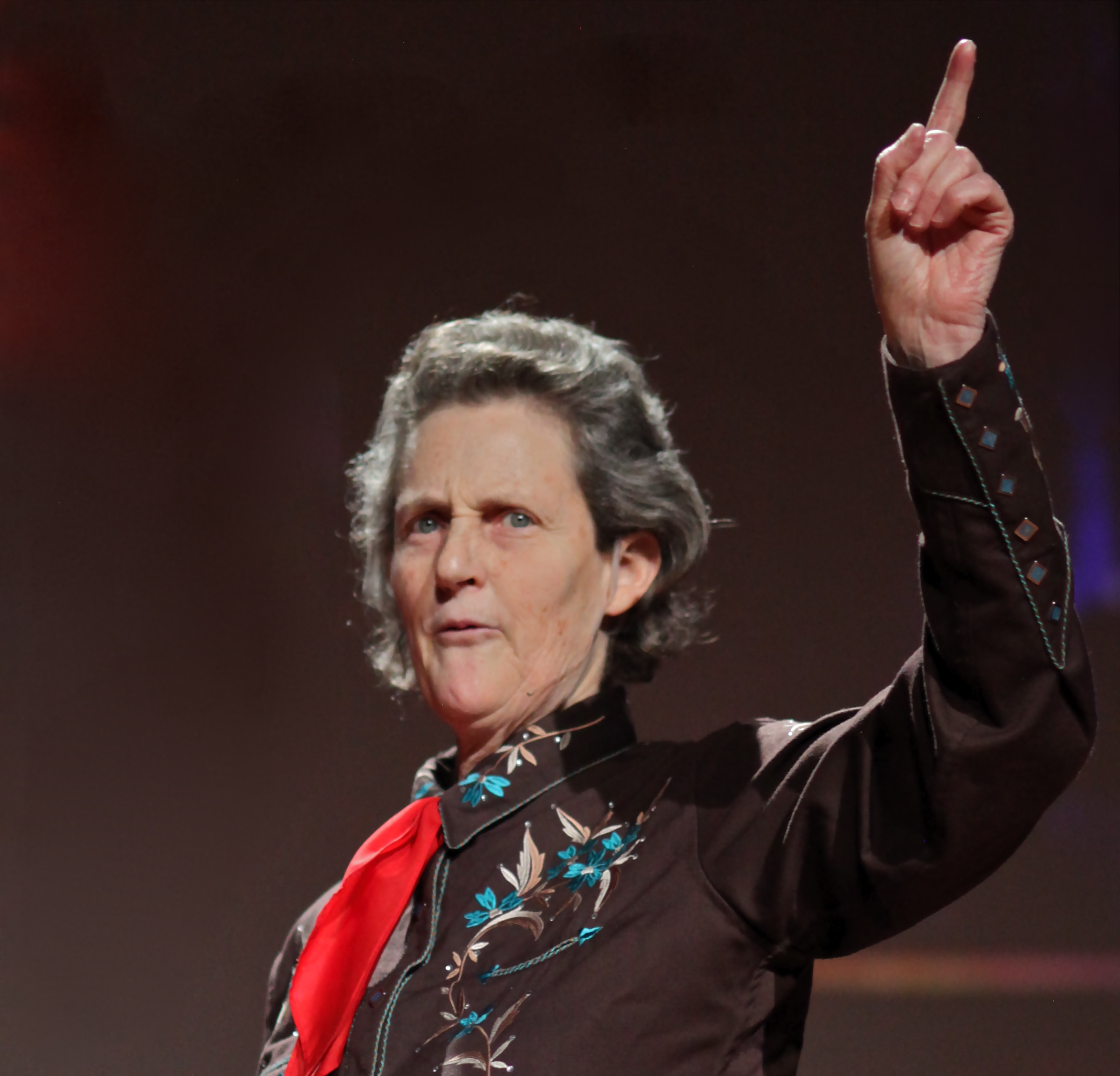
Perhaps its my training as a rhetorician, but I retain a lot of faith in a coherent talk as an effective means to both convey ideas, and perform the necessary enthusiasm for them. There is no better alternative to a call for change issued by a preacher or a public intellectual, or an invitation from an academic to greater understanding of a complicated but revelatory idea. If we’ve been lucky, we can can recall at least a few times when we were hooked into the love of a subject by a passionate talker. Ideas that may be dead on the page can come to life if they are embodied.
As a form, the lecture is also a meeting of minds in the same space that makes possible the kind of interactivity that often attributed to digital media, but often absent. I recall a master- teacher biologist in my first year at Colorado State University. He was a mesmerizing presence, at once amplifying complex ideas while giving them importance with real-world applications. His lectures on DNA were built around an accumulating swirl of drawings created as he spoke. The blackboard became a riot of color as he used various colors of chalk to fill in essential details of the Double Helix. His effort and interest were contagious. I also remember another professor at Cal State-Sacramento who could turn a single class period into an intellectual adventure. His lectures and questions seemed to owe something to the kinds of performances we were seeing at the time from gifted actors like Paul Schofield and Michael Caine. This teacher had all the theatrical tools he needed: a resonant voice, an animated face, and the kind of conversational spontaneity that belied what I’m sure was careful preparation.
In truth, many of us still love good lectures. TED Talks, podcasts, the popularity of massed online courses–in addition to packaged lectures on disk offered by master-teachers–indicate a desire to be the willing captive of an effective presenter. I agree with Molly Worthen, who recently noted in the New York Times that lectures teach the kind of disciplined communication practices we all need: the twin abilities to pay attention and to actively listen.1 Those who have mastered these skills know the rewards.
What makes a good presentation? What talents brought millions of Americans out on a snowy Saturday night 100 years ago to hear a speaker at their local Chautauqua? There’s no formula, but it seems clear that the best presentations allow us to see or understand the familiar with new and deepened sensibilities. They add a greater depth of understanding than we could discover on our own.
My guess is that I’ve lectured to students perhaps 2400 times over the course of a long career. My presentations are usually presented to groups of 25 students at a time: a better setting by any measure than a mass audience of a thousand or more. Sometimes the presentations go badly, though I’d like to think less frequently these days. And sometimes I flatter myself to believe that I made an 80-minute period –the standard on our campus–fly by. To be sure, that length is too long by at least 20 minutes. Indeed, a session that misfires in so sprawling a period can make it seem like the clock has simply stopped. A single session that wastes 80 minutes can be multiplied times the 25 members of a course, totaling 33 wasted hours. Knowledge of those stakes puts a significant amount of pressure on any conscientious instructor. I think I know how actors feel when they are about to step on stage.
Even so, a presenter on fire with their subject is a sight to behold. Although the TED Talks format only gives most of its speakers little more than 18 minutes, you can feel the growing momentum when one of them has taken flight with a room of rapt listeners close behind.
____________
1Molly Worthen, Lecture Me. Really. New York Times, October 18, 2015, Sunday Review, p. 1
Comments Woodward@tcnj.edu

