
Tastemakers and reviewers obviously have power, but they should resist scoring someone into unearned anonymity.
During this season too many in the publishing and performing arts communities follow the ritual of labeling “the best” of the year in—you name it—non-fiction books, historical novels, film performances, live concerts, recordings and so on. End of the year reviews by news and information platforms are the most obvious enablers of these closed category “best of” lists.
We should worry about the limitations of this ragged and overused term, a locution made worse when it is used to suggest just one or two dozen favorites. To be sure, this is an obvious complaint; nothing really new here. But what is less apparent is the conceptual slight of hand that allows sloppy thinking to be disguised behind a eulogistic language.
A limited list of “best” selections is bad. Rankings make it worst. It may be in an appreciator’s blood to come up with lists of works that excite them, but their sampling has surely been incomplete, recognizing known talent to the detriment of those in the same category who were not even considered.

It is entirely possible that a small press in Omaha has published a brilliant first novel. That source is far from the centers of corporate-owned publishing, music and marketing industries that curate a relatively small number of pieces that come down their pipelines.
To cite one instance, The New York Times likes to list the “best” films, novels, film performances, and performances of the year. For example, their “Ten Best Novels” of the year is a witless reduction of an estimated 100,000 that are published in the United States. And thousands more are self-published: a pattern that is also duplicated in recorded music.
In actual fact, there are gems everywhere. Any critic given this task of selection has to concede that they don’t know what they don’t know. A declaration of a few ranked choices shouldn’t be the last word.
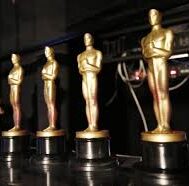 To be sure, we have metrics to help determine the overall quality of a nation’s health care services, the reading levels of 3rd graders in particular states, or the median price of a house in a given city. But numbers that suggest exactitude can easily intrude in places where they don’t belong. Tastemakers and reviewers obviously have useful roles to play, but they should resist scoring someone into unearned anonymity.
We can solve the problem of phony rankings and scores by amending articles to offer the huge proviso that the list is made from what the author has actually seen or heard. Even better, banish rankings altogether and go to a more honest listing of “excellent” or “very good” offerings. Unlike “best” these terms can easily suggest the idea of open categories, promising no more than a considered judgment of works known to the critic, rather than the faux precision of a top ten list. That process would be intellectually less arrogant, representing what good criticism can look like.
